
Understanding How Modern Imaging Brings Clarity, Compassion, and Confidence to Psychiatric Care
Looking Inside the Brain: Why Imaging Matters
Shedding Light on the Invisible Side of Mental Health
Much of what we experience in mental health occurs beneath the surface. Feelings of sadness, anxiety, and difficulty concentrating are real but invisible to the eye. At Compassionate Psychiatric Services (CPS), we believe that combining compassionate care with advanced medical insight helps bridge that gap.
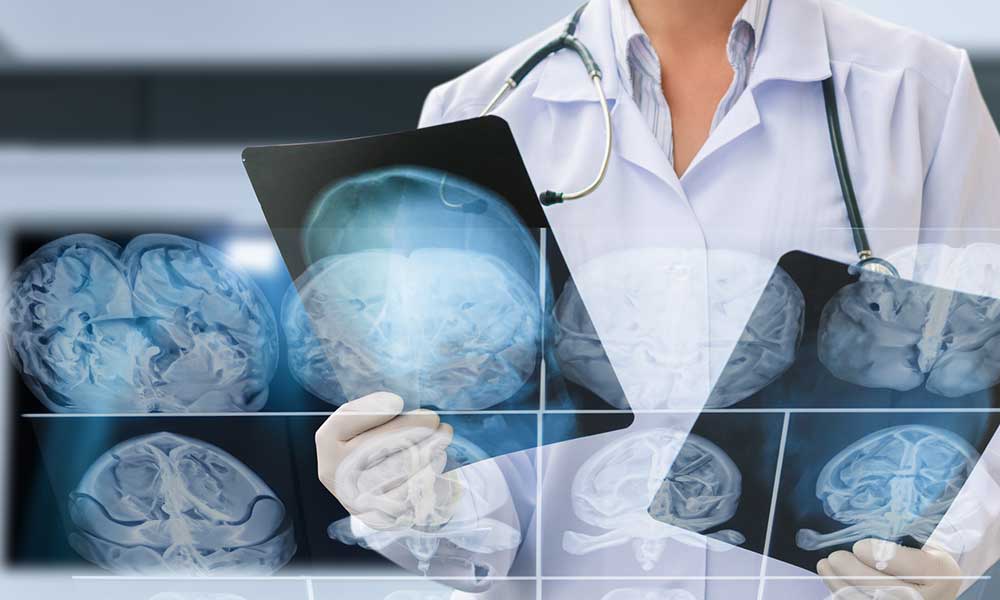
Modern brain imaging, including MRI and functional MRI (fMRI), provides valuable information about the brain’s structure and activity. While scans are not a replacement for clinical evaluation, they can help clarify complex cases and support accurate diagnosis and individualized treatment planning.
When We Consider a Brain Scan
Adding Clarity When the Picture Isn’t Complete
At CPS, brain scans are not part of routine psychiatric care. Instead, they are used thoughtfully when there’s a need for additional diagnostic clarity.
A brain scan may be recommended when:
- A patient experiences sudden changes in mood, behavior, or cognition.
- Treatment-resistant symptoms don’t respond to standard approaches.
- There are concerns about neurological causes such as seizures, head injury, or structural changes.
- The clinician needs to rule out medical or organic contributors to psychiatric symptoms.
In such cases, imaging helps ensure that patients receive comprehensive, well-informed care that addresses both the brain and the mind.
What Brain Scans Can—and Can’t—Show
Setting Realistic Expectations for Patients
Brain imaging offers valuable biological insight, but it’s important to understand its limits.
What brain scans can show:
- Structural information, such as brain size, shape, and tissue health (via MRI)
- Patterns of brain activity and blood flow during cognitive or emotional tasks (via fMRI)
- Evidence of neurological conditions or injury
What brain scans can’t show:
- Specific psychiatric diagnoses like depression, anxiety, or bipolar disorder
- Thoughts, emotions, or personality traits
At CPS, we help patients understand that scans are supportive tools they add context but don’t define a diagnosis. Instead, they work alongside a thorough clinical evaluation that considers symptoms, history, and life experiences.
Guiding Personalized Treatment Plans
Turning Insight Into Action
When brain imaging is appropriate, it can help inform a more individualized approach to care. For instance, a scan might reveal a neurological concern that affects treatment choice, or it may confirm that symptoms are purely psychiatric in nature—allowing the clinician to confidently focus on therapy, medication management, or other interventions.
By integrating biological data with emotional and psychological understanding, CPS clinicians deliver care that’s comprehensive, evidence-based, and deeply personalized.
Monitoring Progress Over Time
Seeing Healing from the Inside Out
In certain situations, such as recovery from brain injury or evaluation of treatment-resistant conditions, repeat imaging can be used to monitor progress. Though not necessary for every patient, follow-up scans can help track changes in brain structure or function, offering reassurance that healing is occurring.
At CPS, our goal is to ensure that each patient’s care evolves in step with their progress and overall well-being.
Looking Ahead: The Future of Brain Imaging in Psychiatry
From Understanding to Prediction
The field of psychiatric neuroimaging continues to evolve. Emerging technologies such as quantitative EEG (qEEG), PET scans, and advanced MRI analytics are expanding how clinicians understand the brain.
In the near future, these tools may help predict how individuals respond to specific medications or therapies, supporting the development of precision psychiatry and reducing trial-and-error in treatment.
At Compassionate Psychiatric Services, we remain committed to integrating these advancements responsibly and ethically, always prioritizing patient understanding, comfort, and compassionate care.
Frequently Asked Questions
- When do you consider ordering a brain scan for a patient?
Brain scans are typically considered when symptoms are complex, unexplained, or don’t respond to standard treatments. They may also be recommended when there’s concern about head injury, seizure activity, or other neurological conditions that could influence mental health. - Can brain imaging help confirm a diagnosis or shape a treatment plan?
Yes, in certain cases. Brain imaging can identify structural or functional abnormalities that provide additional clarity. For example, a scan might confirm that symptoms are not caused by an underlying medical issue, allowing clinicians to focus fully on psychiatric treatment. - How do you explain to patients what a brain scan can and can’t show about their mental health?
Patients are informed that brain imaging provides biological insight. It can show how different brain regions function but cannot diagnose conditions like depression or anxiety on its own. The scan supports, rather than replaces, the clinical evaluation process. - What type of scan is most useful in psychiatric practice, and why?
MRI (Magnetic Resonance Imaging) is most commonly used because it provides detailed structural images of the brain and helps rule out medical causes for psychiatric symptoms. Functional MRI (fMRI), while primarily used in research, can show how brain activity changes during cognitive or emotional processing. - How is brain imaging advancing mental health care in the next few years?
Brain imaging is expected to play a growing role in personalized psychiatry, helping predict treatment responses, refine diagnoses, and improve precision in care. Ongoing research continues to strengthen the connection between brain imaging and mental health outcomes.
Clarity, Confidence, and Compassion in Every Step
Brain imaging helps transform the understanding and treatment of mental health conditions. When used thoughtfully, it supports more accurate diagnosis, personalized treatment, and ongoing progress monitoring.
At Compassionate Psychiatric Services, we treat conditions such as depression, anxiety, ADHD, bipolar disorder, and PTSD using an integrative approach that combines medical expertise, therapy, and compassionate care.
Your Next Step Toward Healing
Let’s Find Clarity Together
If you’re experiencing symptoms that haven’t improved or would like to understand how your brain health affects your mental well-being, our team at Compassionate Psychiatric Services is here to help. Call us today or schedule an appointment online to begin your journey toward clarity, balance, and lasting wellness.