Understanding Suboxone: A Compassionate Psychiatric Services Guide to Recovery With Medication-Assisted Treatment
Evidence-based medication, personalized psychiatric care, and compassionate support can help individuals reclaim stability and hope
What Is Suboxone?
A science-backed medication that supports recovery and reduces opioid cravings
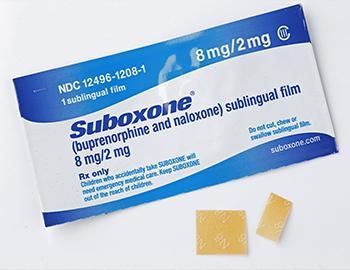
Suboxone® is a prescription medication used in the treatment of opioid use disorder (OUD). It combines buprenorphine, a partial opioid agonist, with naloxone, an opioid antagonist, to help reduce cravings and withdrawal symptoms while lowering the risk of misuse.
At Compassionate Psychiatric Services (CPS), Suboxone is not viewed as a standalone solution. Instead, it is one component of a comprehensive, individualized treatment plan that addresses both the biological and psychological aspects of addiction.
Buprenorphine helps stabilize brain chemistry by partially activating opioid receptors without producing the intense euphoria associated with opioids such as heroin or oxycodone. Naloxone is included as a safety measure to discourage misuse and promote responsible, supervised treatment.
What Is Suboxone Used For?
Helping individuals regain stability and reduce the risk of relapse
Suboxone is FDA-approved for the treatment of opioid use disorder, including dependence on prescription opioids and illicit substances. Its primary purpose is to reduce cravings and withdrawal symptoms so individuals can focus on recovery rather than constant physical distress.
Suboxone is commonly used to:
- Decrease opioid cravings
- Ease withdrawal symptoms
- Reduce the risk of relapse and overdose
- Support long-term engagement in treatment
At CPS, we often see Suboxone create the stability patients need to meaningfully engage in therapy, manage co-occurring mental health conditions, and rebuild daily functioning. When the nervous system is no longer overwhelmed by withdrawal, deeper healing becomes possible.
How Suboxone Fits Into Treatment at CPS
Whole-person care, not just symptom management
At Compassionate Psychiatric Services, Suboxone is prescribed within a trauma-informed, psychiatric care model. Our clinicians consider each patient’s full clinical picture, including mental health history, trauma exposure, medical needs, and recovery goals, before recommending medication-assisted treatment.
Suboxone may be integrated alongside:
- Individual psychotherapy
- Group therapy and recovery-focused counseling.
- Treatment for co-occurring conditions such as depression, anxiety, PTSD, or bipolar disorder
- Care coordination with primary care providers, addiction specialists, or higher levels of care
Our goal is not simply to reduce opioid use, it is to help patients build lasting stability, safety, and improved quality of life.
Who May Be a Candidate for a Suboxone Prescription?
Personalized evaluation based on safety, readiness, and goals
Suboxone may be appropriate for individuals who:
- Have a diagnosed opioid use disorder
- Experience cravings or withdrawal symptoms
- Are motivated to reduce or stop opioid use
- Can safely participate in outpatient psychiatric care
- Are willing to engage in therapy or supportive services
At CPS, every patient receives an individualized evaluation. For some individuals, other medication-assisted treatment options such as methadone or extended-release naltrexone (Vivitrol®) may be a better clinical fit. Our providers guide patients through these options with transparency and respect for personal choice.
What Are the Common Side Effects of Suboxone?
What to expect and how side effects are managed
Suboxone is generally well tolerated, especially when prescribed and monitored carefully. Some patients may experience mild side effects, particularly early in treatment.
Common side effects include:
- Headache
- Nausea or stomach discomfort
- Constipation
- Sweating
- Sleep disturbances
- Mild body aches
At CPS, providers closely monitor side effects and adjust treatment as needed. Patients are encouraged to communicate openly as many side effects can be managed through dose adjustments, supportive care, or changes in medication timing.
For safety, patients are advised to avoid alcohol and sedative medications unless explicitly approved by their provider.
Beyond Medication: Building Sustainable Recovery
Why long-term healing requires comprehensive support.
While Suboxone can play a critical role in recovery, long-term success typically requires more than medication alone. At CPS, we emphasize:
- Trauma-informed therapy
- Emotional regulation and coping skills
- Relapse prevention planning.
- Treatment of co-occurring psychiatric conditions
- Strengthening personal and community support systems
When appropriate, CPS may also coordinate referrals to specialty programs, higher levels of care, or research-informed treatment options, including clinical trials or emerging therapies.
Our approach is flexible, collaborative, and rooted in compassion because recovery is not linear, and every individual’s path is unique.
Take the Next Step Toward Recovery
Compassionate, expert care starts with a conversation.
If you or someone you love is struggling with opioid use, you do not have to navigate this alone. Suboxone may be an effective part of recovery, especially when combined with personalized psychiatric care and ongoing support.
At Compassionate Psychiatric Services, our experienced providers are committed to meeting patients where they are and helping them move forward with dignity, safety, and hope.
Schedule a confidential consultation today to learn whether Suboxone or another treatment option may be right for you or call Compassionate Psychiatric Services to speak with a member of our care team and begin your personalized recovery plan.