Transform Your Recovery: The FDA Approved Power of Vivitrol
Evidence Based Treatment Option Supporting Long Term Recovery From Alcohol and Opioid Use Disorders
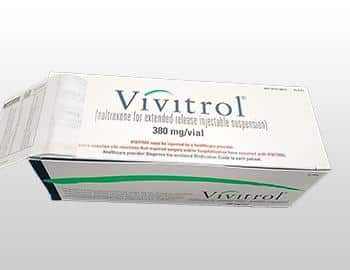
Vivitrol is the brand name for an extended-release injectable form of naltrexone. It is a prescription medication given by a healthcare provider once a month as part of medication-assisted treatment for alcohol dependence or to help prevent relapse to opioid dependence after detoxification. It works differently from medications such as methadone or buprenorphine and is not a controlled substance.
Naltrexone itself is an opioid receptor antagonist. That means it binds to opioid receptors in the brain but does not activate them. Instead, it blocks these receptors so that alcohol and opioids cannot produce their typical rewarding or euphoric effects.
How Vivitrol Works
Blocking Cravings and Reducing Relapse Risk
Vivitrol’s mechanism of action centers on blocking opioid receptors in the brain. By occupying these receptors without activating them, the medication reduces the pleasurable effects of both alcohol and opioids. Over time this can help weaken the cycle of craving and use that characterizes addiction.
For alcohol dependence, this receptor blockade is believed to help decrease cravings and reduce heavy drinking days. For opioid dependence, Vivitrol helps prevent the feeling of euphoria if opioids are used after detoxification, supporting a person’s motivation to stay substance-free.
Because Vivitrol is a monthly injection, it eliminates the need for daily medication adherence. Some individuals find this once-a-month schedule easier to manage compared to daily oral medications.
Who Is the Best Candidate for Vivitrol?
Understanding Who May Benefit Most
Not everyone with alcohol or opioid use disorder is an immediate candidate for Vivitrol. Because it blocks opioid receptors, Vivitrol can only be started when a person has fully detoxified from opioids and no longer physically dependent. Starting Vivitrol too soon after opioid use can trigger sudden and severe withdrawal symptoms, which can be dangerous.
Best candidates for Vivitrol typically include people who:
- Have successfully completed opioid detoxification and are committed to ongoing recovery support.
- Are motivated to sustain abstinence from alcohol and want additional support to reduce cravings.
- Would benefit from a monthly treatment that does not require daily medication.
- Are engaged in counseling or other recovery services as part of a comprehensive care plan.
A careful evaluation by a qualified provider is essential to determine whether Vivitrol is appropriate. Vivitrol is not approved for use with children and is most effective when combined with counseling and other support services.
How Long Is Vivitrol Treatment?
Personalized Duration of Care
The length of Vivitrol treatment varies between individuals. Some may benefit from several months of injections, while others may continue for a year or longer depending on their recovery goals and progress. Importantly, Vivitrol is not a cure for addiction. It is a tool that supports recovery and helps prevent relapse when used as part of a broader treatment plan that includes counseling, therapy, and psychosocial support.
Decisions about treatment duration are made collaboratively between the patient and their clinician. Providers consider factors such as stability in recovery, the presence of co-occurring mental health symptoms, personal goals, and overall treatment response.
Benefits of Vivitrol
Supporting Sustainable Recovery
When used appropriately, Vivitrol offers several potential benefits:
- Reduced Cravings and Urges
By blocking the rewarding effects of alcohol and opioids, Vivitrol can help decrease cravings and reduce the risk of relapse. - Simplified Medication Schedule
A once-monthly injection reduces the burden of daily medications, which can be especially helpful for individuals who struggle with adherence. - Supports Recovery Goals
For people committed to sustained abstinence, Vivitrol provides an additional layer of support within an evidence-based treatment framework. - Integrated With Counseling
Vivitrol is designed to work in conjunction with counseling and behavioral supports, which enhance long-term outcomes.
Potential Side Effects of Vivitrol
What to Expect and Monitor
Like all medications, Vivitrol has potential side effects. Many people tolerate the medication well, but some common side effects include:
- Injection site reactions such as pain, swelling, or redness.
- Nausea, headache, fatigue, or dizziness.
- Muscle aches or joint pain.
Less common but more serious risks may include:
- Allergic reactions to the medication.
- Liver problems, which may be more likely in individuals with pre-existing liver disease.
- Mood changes or depression.
- Risk of opioid overdose if someone tries to overcome the receptor blockade. Because Vivitrol blocks opioid receptors, taking large amounts of opioids can put extreme stress on the heart and lungs, leading to overdose, coma, or even death.
It is crucial to discuss your full medical history with a provider before starting Vivitrol. Ongoing monitoring during treatment helps ensure safety and prompt management of any issues that arise.
Vivitrol and Alcohol Use
Guidelines for People With Alcohol Dependence
For individuals with alcohol use disorder, Vivitrol should only be started after they have stopped drinking and are able to maintain abstinence. Continued drinking while on Vivitrol is generally not recommended because it can undermine the purpose of treatment and complicate recovery efforts.
This underscores the importance of pairing medication with psychosocial support, coping strategies, and ongoing clinical care to address the multifaceted nature of alcohol use disorder.
Combining Vivitrol With Personalized Treatment
Medication Is One Part of a Holistic Plan
At Compassionate Psychiatric Services, we believe recovery is a holistic journey. Vivitrol can be a powerful part of that journey, but it is most effective when paired with comprehensive care. Medication-assisted treatment works best when combined with counseling, therapy, peer support, and lifestyle changes that support mental, emotional, and physical well-being.
Our team works closely with each person to develop a customized plan that reflects their needs, strengths, and recovery goals. Treatment may also address co-occurring conditions such as anxiety, depression, trauma, or chronic pain, which often intersect with substance use disorders.
Important Considerations Before Starting Vivitrol
Safety, Readiness, and Support
Before starting Vivitrol treatment, your provider will carefully assess:
- Whether you have completed opioid detoxification and are not currently dependent.
- Your liver function and overall medical status.
- Your readiness for ongoing recovery support.
- Any co-occurring mental health conditions that may affect treatment.
This comprehensive evaluation helps ensure that Vivitrol is safe and appropriate as part of your tailored care plan.
Moving Forward With Confidence
Your Path to Sustainable Recovery
Choosing a treatment path is a personal decision. Vivitrol offers scientifically validated support for people committed to recovery from alcohol or opioid dependence. When used with counseling and therapeutic support, it can reduce cravings, support abstinence, and enhance motivation for lasting change.
If you or someone you love is considering Vivitrol or medication-assisted treatment (MAT) as part of a recovery plan, a compassionate conversation with a qualified clinician is a critical first step. Recovery looks different for everyone, and there is no single path that fits all. Our team at Compassionate Psychiatric Services is here to help you explore your options in a supportive, evidence-based environment.
Ready to Take the Next Step?
Connect With Compassionate Psychiatric Services Today
At Compassionate Psychiatric Services, we are dedicated to providing personalized care that honors your unique journey. If you are curious about Vivitrol, medication-assisted treatment, or tailored support for substance use recovery, we invite you to reach out. Our experienced team is here to listen, educate, and walk alongside you with warmth and professionalism. Contact us today to schedule a consultation and begin crafting your personalized recovery plan.
Vivitrol is the brand name for the medication, Naltrexone. Vivitrol is a once-monthly injection, administered by your doctor to help reduce alcohol consumption. Vivitrol is also used in Opioid recovery. Vivitrol can be administered once the patient has detoxed from opioids. Vivitrol is best utilized as a part of a comprehensive treatment plan, in addition to psychotherapy.
Frequently Asked Questions (FAQ’s) on Vivitrol Injections
1. What is Vivitrol?
Vivitrol is the brand name for the medication, Naltrexone. Vivitrol is a once-monthly injection, administered by your doctor to help reduce alcohol consumption. Vivitrol is also used in Opioid recovery. Vivitrol can be administered once the patient has detoxed from opioids. Vivitrol is best utilized as a part of a comprehensive treatment plan, in addition to psychotherapy.
2. Is Vivitrol Addictive?
Vivitrol is non-addictive. It is non opiate-based.
3. How does Vivitrol Work?
Vivitrol works to block the part of the brain that craves alcohol or opiates, resulting in an easier transition to sobriety.
4. Does Vivitrol work for all Substance use?
Vivitrol is currently approved by the FDA for the treatment of Alcohol and Opiate abuse treatment.
5. How can I get started with Vivitrol Treatments?
Talk to your doctor about your desire to abstain from alcohol or opiates. The team of certified and licensed providers at Compassionate Psychiatric Services is highly skilled at assessing, diagnosing, and treating addiction. Give us a call today at 469-200-4093 to get scheduled to talk to a provider to see if Vivitrol is right for you.